
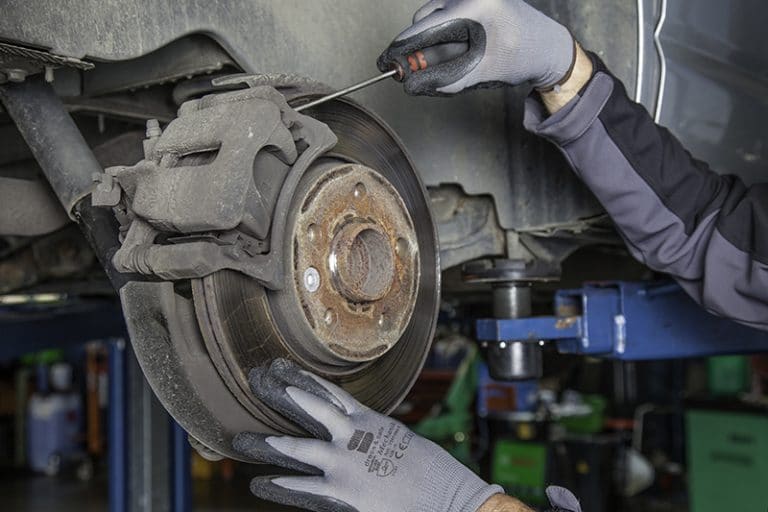
Your brakes are the most important safety system on your Toyota. When they’re not working right, everything else about your vehicle becomes secondary. Whether you’re hearing a strange squeal during your morning commute down I-25, feeling a vibration when you slow down for the Dry Creek exit, or your brake pedal just feels “off,” you need a specialist who knows Toyota vehicles inside and out.
At Toy Car Care in Centennial, we’ve been working exclusively on Toyota, Lexus, and Scion vehicles since 1997. That’s nearly three decades of focusing on one thing and doing it well. Our ASE Master Technicians have over 250 years of combined experience, and many of them have been with us for 10 years or more. When it comes to Toyota brake repair in Centennial, that kind of specialized expertise makes a real difference in the quality of work you receive.
If you’re a Toyota owner in Centennial, Highlands Ranch, Littleton, Englewood, Aurora, Lone Tree, or Denver, this guide will walk you through everything you need to know about brake repair for your vehicle. We’ll cover the warning signs to watch for, what to expect during service, and how to choose the right shop for the job.
Key Takeaways
- Choosing a Toyota brake repair specialist in Centennial ensures technicians understand Toyota-specific engineering, torque specs, and ABS system integration.
- Never ignore warning signs like squealing, grinding, spongy pedals, or vibrations—delaying brake service leads to costlier repairs.
- Quality Toyota brake service includes a road test, visual inspection, precise measurements, transparent recommendations, and a final performance test.
- Using Genuine Toyota brake pads and rotors extends component life and maintains your vehicle’s safety performance.
- Look for ASE-certified technicians, transparent pricing, quality parts, and a solid warranty when selecting a brake repair shop.
- Toyota brake repair costs in Centennial range from $200 for basic pad replacement to over $1,000 for comprehensive system service on both axles.
Why Choose a Toyota-Certified Brake Specialist
Here’s something a lot of drivers don’t think about: not all brake jobs are created equal. A general auto shop might be fine for basic work, but Toyota braking systems have specific engineering requirements that generic parts and procedures don’t always address.
When you bring your Camry, Tacoma, 4Runner, or any other Toyota model to a specialist, you’re getting technicians who understand how Toyota designs their brake systems. They know the proper torque specifications. They understand how Toyota’s ABS systems integrate with the brake hardware. And they can spot issues that a generalist might miss.
Benefits of working with Toyota brake specialists include:
- Access to Genuine Toyota brake pads, rotors, calipers, drums, and shoes engineered specifically for your vehicle
- Technicians trained in Toyota-specific procedures and diagnostic methods
- Proper fit and function that maintains your vehicle’s safety performance
- Ceramic brake pads that reduce heat, noise, and dust while extending rotor life
- Service that keeps your warranty intact (yes, we honor all extended warranties)
There’s a reason we made the decision to specialize in only Toyota, Lexus, and Scion vehicles when we opened our doors. When you work on the same types of vehicles every single day, you develop a depth of knowledge that simply isn’t possible when you’re trying to be everything to everyone. Our technicians have seen virtually every brake issue these vehicles can have, and they know exactly how to fix them right the first time.
For Toyota owners in the south Denver metro area, having a dedicated specialist nearby means you don’t have to deal with dealership pricing or wait times just to get expert-level service.
Common Toyota Brake Problems and Warning Signs
Your Toyota is designed to give you plenty of warning before brakes fail completely. The key is knowing what to look for and not ignoring the signs when they appear.
The most common warning signs include:
- Increased stopping distance (you have to press harder or earlier to stop)
- Squealing, grinding, or other unusual noises when braking
- A brake pedal that feels spongy, soft, or has to travel further than usual
- Pulling to one side when you apply the brakes
- Vibration or pulsation through the brake pedal or steering wheel
- Heavy brake dust buildup on your wheels
- The brake warning light illuminated on your dashboard
If you’re experiencing any of these symptoms, don’t wait. Brake problems don’t fix themselves, and they almost always get worse (and more expensive) the longer you delay service.
Brake Pad and Rotor Wear
Brake pads are the primary wear item in your braking system. Every time you press the brake pedal, your pads squeeze against the rotors to slow your vehicle. That friction gradually wears the pad material down.
Most modern Toyota brake pads include a metal wear indicator. When the pad wears down to a certain point, this indicator contacts the rotor and creates that distinctive squealing sound. Think of it as your brakes literally telling you it’s time for service.
Here’s where things can get expensive if you ignore the warning: once your pads wear down completely, metal starts grinding against metal. Your rotors, which are precision-machined components, get damaged. What could have been a straightforward pad replacement now becomes a more costly rotor replacement as well.
Rotors also wear over time and can develop problems like warping (which causes that pulsation in the brake pedal) or scoring (grooves cut into the surface). During a brake inspection, we measure rotor thickness against Toyota’s specifications to determine whether they can be resurfaced or need replacement.
Brake Fluid Leaks and System Issues
Your brakes are a hydraulic system. When you press the pedal, brake fluid transmits that pressure to the calipers, which push the pads against the rotors. If there’s a problem anywhere in this hydraulic system, your braking performance suffers.
Common hydraulic issues include:
- Low or contaminated brake fluid
- Air bubbles in the brake lines (causes that spongy pedal feel)
- Leaks at the master cylinder, brake lines, or calipers
- Rusty or seized caliper guide pins that prevent even pad wear
- Lack of lubrication on slide points
Brake fluid is hygroscopic, which means it absorbs moisture from the air over time. Contaminated fluid has a lower boiling point and can actually boil under heavy braking conditions, creating air bubbles and reducing stopping power. That’s why brake fluid condition is always part of a thorough brake service.
What to Expect During a Toyota Brake Service
When you bring your Toyota in for brake service, it shouldn’t feel like a mystery what’s happening. Here’s what a comprehensive brake service looks like at a quality shop:
1. Road Test and Initial Assessment
Before any work begins, a technician should drive your vehicle to experience the symptoms you’ve described. This helps identify exactly what’s happening and where the problem might be.
2. Visual Inspection
With the vehicle on a lift, the technician inspects all brake components:
- Brake pads (thickness and wear pattern)
- Rotors (thickness, condition, and runout)
- Calipers (operation and condition)
- Brake hoses and lines (leaks, cracks, damage)
- Hardware (clips, springs, slide pins)
- Brake fluid (level and condition)
3. Measurements
Pad thickness and rotor thickness are measured and compared against Toyota’s minimum specifications. This determines whether components need replacement or can continue in service.
4. Service Recommendations
This is important: a good shop will explain what they found and give you options. At Toy Car Care, we believe in common-sense auto repair. We’ll tell you what needs to be addressed now, what can wait, and what’s just preventive. Then we only perform the work you approve.
5. Repair Work
Depending on what’s needed, this might include:
- Replacing brake pads with Toyota-spec components
- Machining or replacing rotors
- Replacing hardware (clips, springs, pins)
- Bleeding and replacing brake fluid
- Caliper service or replacement if needed
6. Final Test
After reassembly (with everything torqued to Toyota specifications), another road test confirms the repair was successful and your brakes are functioning properly.
In most cases, we can complete brake service the same day you bring your vehicle in. We also offer early bird drop-off if you need to leave your car before we open. And every repair comes with our 12-month/12,000-mile warranty.
How to Find the Best Brake Repair Shop in Centennial
Whether you’re in Centennial, Highlands Ranch, Littleton, Englewood, Aurora, Lone Tree, or Denver, finding the right shop for your Toyota brake repair matters. Here’s what to look for:
Toyota Specialization
A shop that focuses on Toyota vehicles (or a Toyota dealer) will have more experience with Toyota-specific brake systems than a general repair shop. They’ll know the common issues for your particular model year and have the diagnostic tools to troubleshoot efficiently.
ASE Certification
ASE (Automotive Service Excellence) certification means technicians have passed standardized tests demonstrating their knowledge. ASE Master Technicians have passed tests in all major service areas. This certification matters because it’s an objective measure of competence.
Quality Parts
Ask whether the shop uses Genuine Toyota parts or equivalent-quality aftermarket components. Cheap brake parts might save money upfront but often wear faster, perform worse, and can even damage other components.
Transparency
A trustworthy shop provides clear written estimates before work begins, explains what they find during inspection, and doesn’t pressure you into unnecessary repairs. You should never feel like something is being hidden from you.
Reputation
Online reviews can tell you a lot about how a shop treats its customers. Look for consistent positive feedback about communication, quality of work, and fair pricing.
Warranty
A shop that stands behind its work will offer a warranty on parts and labor. This protects you if something doesn’t hold up as expected.
At Toy Car Care, we check all these boxes. We’re the largest independent Toyota and Lexus service facility in Denver, with ASE Master Technicians who’ve been working on these vehicles for decades. We use quality parts, provide transparent pricing, and treat every customer like they’re our only customer.
Questions to Ask Before Scheduling Brake Repair
Before you commit to any shop for your Toyota brake repair, ask some questions. A quality shop will be happy to answer them.
About Technician Qualifications:
- Are your technicians ASE-certified? ASE Master certified?
- Do they have specific experience with Toyota vehicles?
- How long have your technicians been working here?
About Parts:
- Do you use Genuine Toyota brake pads and rotors?
- If using aftermarket parts, what brands do you recommend and why?
- Are the parts covered by warranty?
About the Service:
- What’s included in your brake service? (Inspection, fluid, hardware?)
- Will you show me what you find before doing any work?
- How long will the service take?
- Do you offer any guarantee on the work?
About Pricing:
- Can you provide a written estimate before starting?
- Are there any additional fees I should know about?
- Do you honor extended warranties?
These questions help you evaluate whether a shop is knowledgeable, transparent, and customer-focused. If a shop seems annoyed by your questions or gives vague answers, that tells you something.
We welcome questions at Toy Car Care. Responsive customer service is one of our core commitments. We want you to understand what’s happening with your vehicle and feel confident in the service you’re receiving.
Cost of Toyota Brake Repair in Centennial
Let’s talk money. Brake repair costs vary depending on what your vehicle needs, but here’s a general idea of what to expect in the Centennial area.
Basic brake pad replacement (one axle, pads only): Typically starts in the low-to-mid $200 range for parts and labor at a quality shop using good components.
Pads and rotors (one axle): When rotors need to be replaced along with pads, expect to pay somewhere in the $300-$500 range per axle, depending on your specific vehicle model.
Complete brake system service (both axles, pads, rotors, fluid): For a comprehensive service addressing both front and rear brakes with new rotors and a fluid flush, costs can range from $600 to over $1,000 depending on the vehicle.
Additional repairs: If calipers need replacement, brake lines are damaged, or there are master cylinder issues, costs increase accordingly.
Factors that affect pricing:
- Your specific Toyota model (a Prius costs less than a Land Cruiser)
- Condition of existing components (can rotors be resurfaced or must they be replaced?)
- Quality of parts used (OEM vs. aftermarket)
- Labor rates in your area
Here’s something worth considering: the cheapest brake job isn’t always the best value. Low-quality pads wear faster, may perform worse, and can damage rotors. A slightly higher investment in quality parts often pays off in longer service life and better performance.
At our shop, we provide transparent pricing with no hidden fees. You’ll know exactly what the work will cost before we begin, and we’ll explain what you’re paying for. We also honor all extended warranties, which can significantly reduce your out-of-pocket costs if your vehicle is covered.
Conclusion
Your brakes aren’t something to take chances with. When you need Toyota brake repair in Centennial or anywhere in the south Denver metro area, finding a specialist who knows these vehicles makes all the difference.
At Toy Car Care, we’ve dedicated nearly 30 years to Toyota, Lexus, and Scion vehicles. Our ASE Master Technicians have the expertise to diagnose and repair any brake issue your vehicle might have, and we stand behind our work with a 12-month/12,000-mile warranty.
Whether you’re hearing that first squeal, feeling a vibration, or just due for a brake inspection, we’re here to help. We serve Toyota owners throughout Centennial, Highlands Ranch, Littleton, Englewood, Aurora, Lone Tree, and Denver with the kind of honest, knowledgeable service that keeps you coming back.
Ready to get your brakes checked? Give us a call or stop by the shop. We offer same-day service in most cases, early bird drop-off, and we’ll walk you through everything we find. Your safety is too important for anything less than expert care.
Frequently Asked Questions
What are the warning signs that my Toyota needs brake repair?
Common signs include squealing or grinding noises when braking, a spongy or soft brake pedal, increased stopping distance, vibration through the pedal or steering wheel, pulling to one side, heavy brake dust buildup, or an illuminated brake warning light on your dashboard.
How much does Toyota brake repair cost in Centennial?
Basic brake pad replacement typically starts around $200 per axle, while pads and rotors together range from $300–$500 per axle. A complete brake system service addressing both axles with fluid flush can cost $600 to over $1,000, depending on your Toyota model and parts quality.
Why should I choose a Toyota brake specialist instead of a general mechanic?
Toyota brake specialists understand model-specific engineering requirements, proper torque specifications, and how Toyota’s ABS systems integrate with brake hardware. They use Genuine Toyota parts, follow manufacturer procedures, and can identify issues that generalist mechanics might miss.
How often should I have my Toyota brakes inspected?
Most manufacturers recommend brake inspections every 12,000–15,000 miles or at least once a year. However, if you frequently drive in stop-and-go traffic, hilly terrain, or notice any warning signs like unusual noises or reduced stopping power, schedule an inspection sooner.
Can I drive with squealing brakes, or is it dangerous?
Squealing typically indicates your brake pads have worn to the built-in wear indicator—a warning that service is needed soon. While you can drive short distances, continuing to ignore it risks metal-on-metal contact, which damages rotors and significantly increases repair costs.
What’s included in a comprehensive Toyota brake service?
A thorough brake service includes a road test, visual inspection of pads, rotors, calipers, and brake lines, precise measurements compared to Toyota specifications, brake fluid evaluation, replacement of worn components with quality parts, and a final road test to confirm proper function.