
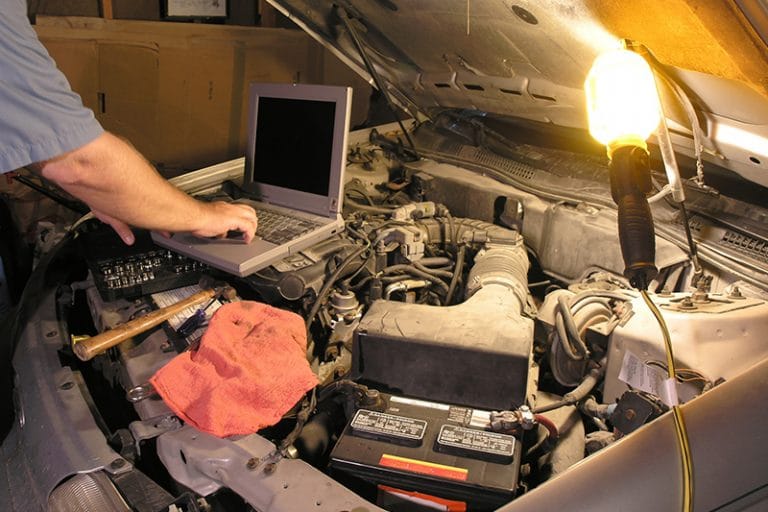
If you’ve owned a Scion for any length of time, you’ve probably noticed these vehicles are reliable, fun to drive, and refreshingly affordable to maintain. But like any car, they’re not immune to electrical gremlins. From batteries that drain overnight to power windows that decide to take a vacation, Scion electrical problems can range from mildly annoying to genuinely concerning.
At Toy Car Care in Centennial, we’ve been working exclusively on Toyota, Lexus, and Scion vehicles since 1997. That kind of focused experience means we’ve seen just about every electrical issue a Scion can throw at us, and we know exactly how to track them down. Our ASE Master Technicians have over 250 years of combined experience, and when it comes to diagnosing tricky electrical faults, that expertise makes all the difference.
Let’s walk through the most common Scion electrical problems we encounter and explain how we approach fixing them.
Battery Drain and Starting Issues
Few things are more frustrating than turning your key (or pressing that start button) and getting nothing but a weak click or complete silence. Battery drain and starting issues are among the most frequent Scion electrical problems we diagnose at our shop.
Scion models like the tC, xB, and xD share a lot of electrical architecture with their Toyota counterparts, which is generally a good thing for reliability. But, these vehicles can develop starting issues for several reasons:
- Aging batteries – Most car batteries last 3-5 years. In Colorado’s temperature extremes, they sometimes give out sooner.
- Corroded terminals – That fuzzy white or greenish buildup on your battery posts creates resistance and prevents proper charging.
- Parasitic draws – Something’s draining power even when the car is off.
- Failing starter motors – The starter itself can wear out, especially in higher-mileage Scions.
When you bring your Scion to us with starting problems, we don’t just throw a new battery at it and hope for the best. We test the battery’s cold cranking amps, inspect the terminals and cables, and check the charging system to make sure the alternator is doing its job. If everything checks out there, we dig deeper.
Identifying Parasitic Draws
A parasitic draw is basically an electrical component that keeps pulling power from your battery after you’ve shut off the engine. Some draw is normal, your clock, alarm system, and keyless entry need a trickle of power. But when that draw exceeds about 50 milliamps, you’ve got a problem.
Finding parasitic draws requires patience and the right diagnostic approach. We use our computerized diagnostic equipment to measure current draw, then systematically pull fuses one by one until the draw drops. That tells us which circuit is the culprit. From there, we trace wires, inspect components, and pinpoint the exact source.
Common parasitic draw culprits in Scions include aftermarket stereos that weren’t wired correctly, glove box lights that stay on, and occasionally faulty body control modules. We’ve seen a few xBs with trunk light switches that wore out and left the light on 24/7, draining the battery in just a couple days.
Faulty Alternator Symptoms
Your alternator is basically your Scion’s electrical generator. While the engine runs, it charges the battery and powers all your electrical systems. When it starts failing, things get interesting, and not in a good way.
Here are the warning signs we tell customers to watch for:
- Dimming headlights – If your headlights seem brighter at higher RPMs and dimmer at idle, the alternator’s likely struggling.
- Battery warning light – This dashboard light doesn’t always mean the battery itself is bad. Often, it’s signaling a charging system problem.
- Electrical accessories acting weird – Power windows moving slowly, radio cutting out, interior lights flickering.
- Whining or grinding noises – Worn bearings inside the alternator can create noticeable sounds from under the hood.
- Frequent dead batteries – If you keep needing jump starts even though having a new battery, the alternator probably isn’t charging it properly.
Scion alternators are generally robust, but they do wear out, typically somewhere between 100,000 and 150,000 miles, depending on driving conditions and electrical load. We test alternator output with professional-grade equipment that measures voltage and amperage under load. A healthy alternator should put out around 13.5 to 14.5 volts.
When replacement is needed, we offer original equipment parts for customers who want that peace of mind. And because we specialize in these vehicles, we can usually complete alternator replacement as same-day service.
Malfunctioning Power Windows and Locks
Power window and lock problems might seem minor compared to starting issues, but they’re genuinely annoying to live with, especially if your window’s stuck down during a Colorado rainstorm. These are common Scion electrical problems that we fix regularly.
The Scion xB, in particular, has a known quirk with its power window regulators. The plastic guides inside the door can crack over time, causing the window to move erratically, make grinding noises, or stop working altogether. Sometimes the motor itself fails: other times it’s a wiring issue within the door.
Power lock problems often trace back to:
- Worn actuators – These small motors inside each door physically move the lock mechanism. They’re not designed to last forever.
- Broken wiring – The wires that run into your door flex every time you open and close it. After thousands of cycles, they can develop breaks.
- Failed switches – The lock switch on your door panel or key fob buttons can wear out.
- Body control module issues – This is the computer that manages locks, windows, and other convenience features.
Our diagnostic process starts simple, we check whether the problem affects one door or all of them, test the switches, and verify power is reaching the motors. From there, we can determine if you need new actuators, wiring repairs, or deeper electrical work.
One thing we always do is explain exactly what we find before performing any repairs. You’ll understand the problem and approve the fix before we start turning wrenches.
Dashboard Warning Lights and Electrical Shorts
When your dashboard lights up like a Christmas tree, it’s easy to panic. But not every warning light means catastrophic failure. Sometimes, Scion electrical problems trigger warnings that seem worse than they actually are.
The check engine light is the most common one we see. It can illuminate for hundreds of different reasons, some serious (catalytic converter failure), some not so much (loose gas cap). Our computerized diagnostic equipment reads the specific trouble codes stored in your Scion’s computer, giving us a starting point for diagnosis.
Other warning lights we frequently investigate include:
- ABS and traction control lights – Often caused by wheel speed sensor issues or wiring problems.
- Airbag warning light – Could be a faulty sensor, clockspring in the steering column, or seat belt pretensioner issue.
- Battery/charging light – Points to alternator or charging system problems.
- TPMS light – Sometimes it’s just a dying sensor battery, sometimes it’s a tire pressure issue.
Electrical shorts are trickier. A short circuit occurs when electricity flows through an unintended path, usually because insulation has worn off a wire somewhere. Shorts can cause blown fuses, intermittent electrical problems, and in worst cases, create fire hazards.
Diagnosing Wiring Harness Problems
Wiring harness issues require methodical troubleshooting. Scion wiring harnesses snake throughout the entire vehicle, connecting dozens of components. When problems develop, they’re often in areas where wires flex repeatedly or get exposed to heat, moisture, or physical damage.
We’ve found chafed wires under carpets, melted insulation near exhaust components, and rodent damage in engine bays (yes, mice apparently love chewing on wire insulation). Our technicians use wiring diagrams specific to your Scion model and year to trace circuits and locate faults.
The good news? Once we find the damaged section, repairs are usually straightforward, proper splicing, heat-shrink protection, and rerouting wires away from problem areas. We believe in fixing things right rather than applying band-aid solutions that’ll fail again in six months.
Headlight and Exterior Lighting Failures
Driving around with a burnt-out headlight or brake light isn’t just inconvenient, it’s a safety hazard and an invitation for a traffic stop. Exterior lighting problems are straightforward Scion electrical problems in most cases, but occasionally they point to something more complex.
Simple bulb failures are the most common issue. Halogen bulbs have a limited lifespan, and we replace them all the time. If your Scion has factory HID (high-intensity discharge) headlights, those bulbs last longer but cost more to replace. Some newer Scions came with LED lighting elements that rarely fail but can be expensive if they do.
Beyond bulbs, lighting issues can stem from:
- Corroded sockets – Moisture gets inside, the socket corrodes, and the bulb loses its ground connection.
- Broken wiring – Especially common in taillight circuits where wires run through the trunk or hatch area.
- Failed relays – Headlight relays can wear out, causing headlights to work intermittently or not at all.
- Damaged light housings – Cracked lenses let water in, which causes all sorts of problems.
- Switch failures – The multifunction switch (turn signal stalk) controls several lighting functions and can wear out.
We always check the basics first, bulb condition, fuses, and ground connections. If those check out, we move on to testing switches, relays, and wiring. Our goal is accurate diagnostics so you’re not paying for parts you don’t need.
Audio System and Accessory Glitches
Scion made a name for itself by offering vehicles that appealed to younger buyers who wanted to customize. That meant lots of Scions left the factory with upgraded audio systems, and even more got aftermarket stereos installed later. Unfortunately, this creates opportunities for electrical problems.
Factory audio systems in Scions are generally reliable, but we do see failures in head units, amplifiers, and speakers, especially in older models. Symptoms include no sound, distorted audio, screens that go blank, and Bluetooth connectivity issues.
Aftermarket installations are where things get complicated. We’ve seen some truly creative wiring jobs over the years, and not in a good way. Improperly installed stereos can cause parasitic battery drain, blown fuses, interference with other systems, and even damage to the vehicle’s factory wiring.
Other accessory-related electrical problems we encounter include:
- USB ports that stop working – Sometimes it’s a fuse, sometimes the port itself is damaged.
- Power outlets (cigarette lighter) failures – Often caused by using adapters that draw too much current.
- Backup camera issues – Wiring problems, camera failure, or display faults.
- Keyless entry range problems – Could be a dying key fob battery or an issue with the receiver module.
When diagnosing accessory problems, we take into account any modifications that have been made to your Scion. If a previous owner or shop did electrical work, that’s often where problems originate. We’ll trace through those modifications and identify whether they’re the source of your issues.
Conclusion
Scion electrical problems can be frustrating, but they’re rarely mysterious once you have the right diagnostic tools and experience. At Toy Car Care, we’ve built our reputation on accurate diagnostics and common-sense repairs. We don’t guess, we test, verify, and fix things properly the first time.
What sets us apart is our exclusive focus on Toyota, Lexus, and Scion vehicles. We know these cars inside and out because that’s all we work on. Our ASE Master Technicians have the training and experience to handle everything from simple bulb replacements to complex wiring harness repairs.
If your Scion is experiencing any of the electrical issues we’ve discussed, battery drain, warning lights, malfunctioning windows, lighting problems, or anything else, we’re here to help. We offer same-day service in most cases, back our work with a 12-month/12,000-mile warranty, and we’ll explain everything clearly before any repairs begin.
Give us a call or stop by our Centennial shop. We’ll diagnose your Scion’s electrical problems and get you back on the road with confidence.