
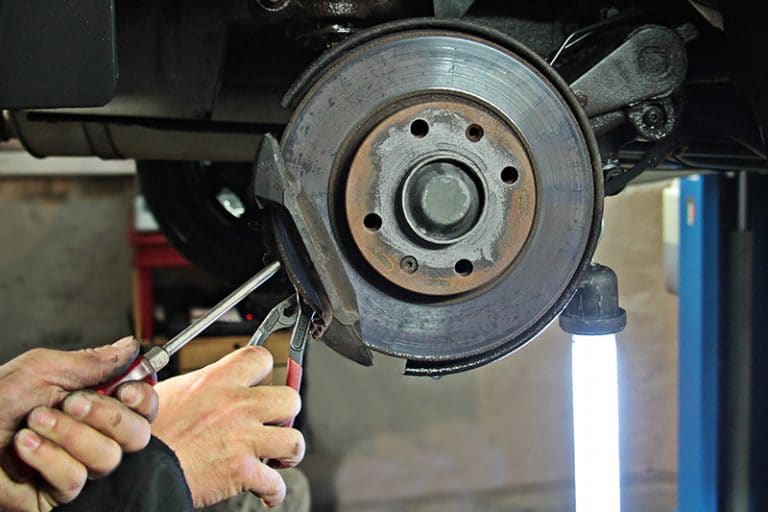
Your brakes are arguably the most critical safety system in your Toyota or Lexus. They’re also one of those components that wear gradually, so gradually, in fact, that many drivers don’t realize there’s a problem until they’re pressing the pedal harder than usual or hearing sounds that definitely weren’t there last month.
Here’s the thing: catching brake wear early isn’t just about avoiding a bigger repair bill (though that’s certainly a perk). It’s about keeping you, your passengers, and everyone else on the road safe. At Toy Car Care, we’ve been working exclusively on Toyota, Lexus, and Scion vehicles since 1997, and we’ve seen firsthand what happens when brake maintenance gets pushed to the back burner.
So how do you know when it’s time for new brakes? We’re going to walk you through the warning signs, inspection tips, and everything else you need to keep your braking system in top shape.
Common Warning Signs Your Brakes Are Wearing Out
Your Toyota or Lexus will usually tell you when something’s wrong with the brakes, you just need to know what to listen and feel for. Let’s break down the most common indicators.
Squealing or Grinding Noises
That high-pitched squeal you hear when coming to a stop? It’s not your imagination, and it’s not something you should ignore. Most brake pads are designed with small metal indicators called wear tabs. When your pads get thin enough, these tabs make contact with the rotor and produce that distinctive squealing sound. Think of it as your car’s built-in warning system.
Grinding is a different story, and a more urgent one. If you hear a harsh, metal-on-metal grinding noise, your brake pads have likely worn through completely. At this point, the metal backing plate is grinding directly against your rotor, which can cause significant damage and dramatically reduce your stopping power. This isn’t a “get it checked next week” situation: it’s a “get it checked today” situation.
Vibration or Pulsation When Braking
Feel a pulsing sensation through your brake pedal or steering wheel when you slow down? This usually points to warped rotors. Rotors can warp from excessive heat buildup, think heavy braking on mountain roads or stop-and-go traffic on a hot summer day. Over time, the rotor surface becomes uneven, and that’s what causes the vibration you’re feeling.
On Toyota and Lexus vehicles, we sometimes see this issue develop after aggressive driving or when brake pads are left on too long and uneven wear patterns develop. The good news is that mildly warped rotors can sometimes be resurfaced rather than replaced, though this depends on how much material is left.
Soft or Spongy Brake Pedal Feel
A brake pedal that feels mushy or sinks closer to the floor than usual is a red flag. This symptom often indicates air in the brake lines, a brake fluid leak, or a problem with the master cylinder. Unlike worn pads, which give you gradual warning signs, a soft pedal can sometimes signal an issue that could lead to sudden brake failure.
If you notice this change in pedal feel, don’t wait. Have your brake system inspected immediately.
How Often Should You Replace Brakes on a Toyota or Lexus
This is one of the most common questions we hear at our shop, and honestly, there’s no one-size-fits-all answer. Brake life depends on several factors: your driving style, the conditions you typically drive in, and even the specific model you own.
That said, here are some general guidelines. Most Toyota and Lexus brake pads last anywhere from 30,000 to 70,000 miles. Rotors typically last longer, sometimes two or three sets of pads before they need replacement, but this varies based on quality and driving conditions.
City driving with frequent stops will wear your brakes faster than highway cruising. If you regularly drive in hilly areas like the Colorado mountains, you’ll likely need brake service more often than someone who sticks to flat terrain. Towing or carrying heavy loads also accelerates wear.
Toyota and Lexus both publish recommended maintenance schedules in your owner’s manual, and brake inspections are typically included as part of routine service intervals. We recommend having your brakes inspected at least once a year or every 12,000 miles, whichever comes first. This gives us the chance to catch issues early before they turn into costly repairs.
Visual Inspection Tips for Brake Pads and Rotors
You don’t need to be a mechanic to do a basic visual check of your brakes. Here’s how to take a quick look yourself.
On most Toyota and Lexus models, you can see the brake pads through the wheel spokes without removing anything. Look for the pad material pressed against the rotor, the shiny metal disc. New pads are typically about 10-12mm thick. If you can see that the pad material has worn down to around 3mm or less, it’s time for replacement.
While you’re looking, check the rotor surface itself. A healthy rotor should be relatively smooth with minimal grooves or scoring. Deep grooves, visible cracks, or a lip around the outer edge are all signs that the rotor may need resurfacing or replacement.
Also, look for any rust buildup. Some surface rust on rotors is completely normal, especially if your car has been sitting for a few days. This usually wears off within the first few brake applications. But excessive rust or rust that’s eating into the rotor surface is a concern.
One more thing: check your brake fluid reservoir under the hood. The fluid should be clear to light amber in color. If it looks dark brown or black, it’s contaminated and needs to be flushed. Low fluid levels can indicate a leak somewhere in the system or that your pads have worn significantly (since the fluid level drops as pads thin out and the caliper pistons extend further).
Understanding Your Dashboard Brake Warning Lights
Modern Toyota and Lexus vehicles come equipped with multiple dashboard warning lights related to the braking system. Understanding what each one means can save you from guessing, and from unnecessary worry.
The BRAKE light (usually red) can indicate several things. First, check that your parking brake isn’t engaged. If the light stays on after releasing the parking brake, it could signal low brake fluid, a leak, or a problem with the hydraulic system. Don’t drive with this light illuminated until you’ve identified the cause.
The ABS light refers to your Anti-lock Braking System. When this light comes on, it typically means there’s an issue with the ABS sensors or module. Your regular brakes will still work, but the anti-lock function may not engage during hard braking. It’s not an emergency, but you should have it diagnosed soon.
Many newer Lexus and Toyota models also have a brake pad wear indicator light that illuminates when sensors detect the pads have reached minimum thickness. This is a convenient feature, but don’t rely on it exclusively, visual inspections are still important.
If you see the VSC (Vehicle Stability Control) light along with the ABS light, these systems often share sensors, so a single faulty wheel speed sensor can trigger both warnings. Our computerized diagnostic equipment can quickly pinpoint which sensor or component is causing the issue.
What Happens if You Ignore Worn Brakes
We get it, life is busy, and it’s tempting to put off repairs that don’t seem urgent. But ignoring brake wear is genuinely risky, both for your safety and your wallet.
Let’s start with the obvious: compromised stopping power. Worn brake pads simply can’t grip the rotor as effectively, which means longer stopping distances. In an emergency situation, those extra feet can make all the difference.
Then there’s the damage that accumulates. When pads wear down completely, the metal backing plate grinds against the rotor. This ruins the rotor surface rapidly, sometimes in just a few days of driving. What could have been a $200-300 pad replacement suddenly becomes a $600+ job because now you need new rotors too.
It doesn’t stop there. Severely worn brakes can damage calipers, which are significantly more expensive to replace. And if a brake line gets compromised or the master cylinder fails because of neglected maintenance, you’re looking at even bigger bills.
We’ve had customers come in after ignoring grinding noises for weeks, only to find that what started as a simple pad replacement now requires rotors, calipers, and brake hardware. The repair that would have cost a few hundred dollars ends up being over a thousand. It’s just not worth the risk.
When to Visit a Mechanic for Brake Service
So when should you actually bring your Toyota or Lexus in for brake service? Here’s our straightforward advice:
Come in immediately if:
- You hear grinding noises when braking
- The brake warning light is illuminated
- The pedal feels soft, spongy, or sinks to the floor
- You notice a significant change in braking performance
- There’s visible brake fluid leaking under your vehicle
Schedule an appointment soon if:
- You hear consistent squealing when braking
- You feel vibration through the pedal or steering wheel
- It’s been more than a year since your last brake inspection
- You’ve recently hit 30,000, 60,000, or 90,000 miles
At Toy Car Care, our ASE Master Technicians specialize exclusively in Toyota, Lexus, and Scion vehicles. That specialization matters when it comes to brakes because we know the specific wear patterns, common issues, and exact specifications for your particular model. We’ve got over 250 years of combined experience working on these vehicles, and we use original equipment parts when needed.
We’ll walk you through exactly what we find during the inspection, no surprises, no pressure. Our commitment is to accurate diagnostics and common-sense repair recommendations. If your pads have some life left, we’ll tell you. If they need immediate attention, we’ll explain why.
Plus, we back our brake work with a 12-month/12,000-mile warranty, and we offer same-day service in most cases. As the largest independent Toyota and Lexus service facility in Denver, we’ve built our reputation on treating every customer like they’re our only customer.
Conclusion
Keeping your Toyota or Lexus brakes in good condition isn’t complicated, but it does require attention. Listen for unusual sounds, pay attention to how the pedal feels, and don’t skip those regular inspections. Catching brake wear early protects both your safety and your bank account.
If you’re experiencing any of the warning signs we’ve discussed, or if it’s simply been a while since your last brake check, we’re here to help. Stop by Toy Car Care in Centennial or give us a call to schedule an inspection. We’ll give you an honest assessment and only recommend the work your vehicle actually needs. Your brakes are too important to guess about.