
If you drive a Toyota, Lexus, or Scion anywhere in Centennial, Highlands Ranch, Littleton, Englewood, Aurora, Lone Tree, or Denver, regular maintenance is the easiest way to keep your car safe, efficient, and worth more over time. At Toy Car Care, we focus only on Toyota-family vehicles, so we know the factory maintenance schedule inside and out and how Colorado’s altitude, temperature swings, and road conditions affect your vehicle. Here’s why staying on top of service pays off, and what we do to help you plan it without the headaches.
Key Takeaways
- Regular Toyota maintenance preserves reliability, performance, and fuel economy, with Colorado driving often needing 5,000–7,500-mile oil changes and 5,000-mile tire rotations.
- Routine inspections catch small issues—like leaks, worn brakes, misalignment, and cracked boots—before they become costly repairs.
- Hybrid owners should service inverter coolant, keep battery cooling fans clean, and apply software updates, with factory-level diagnostics for warning lights.
- Calibrate Toyota Safety Sense and check suspension, steering, and brakes after windshield or suspension work or pothole hits to keep ADAS accurate.
- Following the Toyota maintenance schedule protects warranties, boosts resale value with documented service history, and ensures recall/TSB updates get done.
- Using genuine Toyota parts and fluids with ASE Master Tech procedures delivers the performance Toyota intended and reduces long-term costs.
Preserve Toyota Reliability, Performance, and Fuel Economy
Toyota built its reputation on reliability. The catch is, reliability is a partnership. When we keep up with scheduled care, your engine, transmission, brakes, and hybrid systems do what they were designed to do for a very long time.
Fluids, Filters, and Tune-Ups
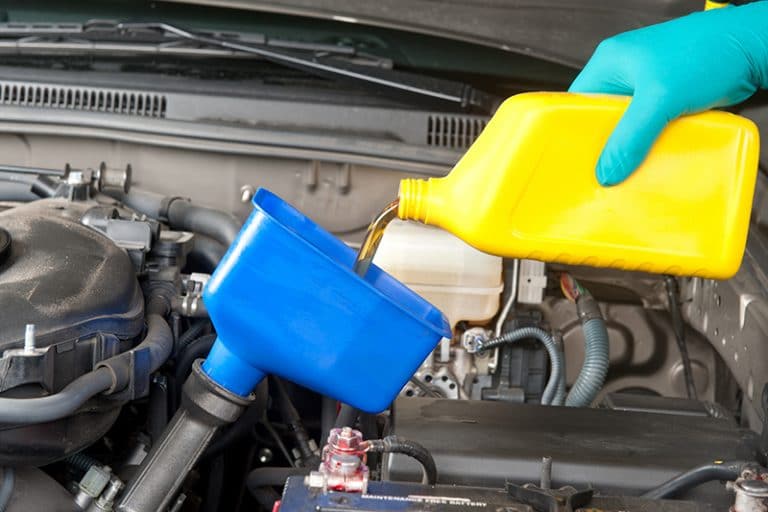
Regular oil and filter changes, engine air filters, and spark plug service help your engine breathe and burn fuel cleanly. In Colorado’s dry climate, rubber components age faster and dust is common, so fresh filters matter.
- Engine oil: Most modern Toyotas on 0W-20 synthetic can go up to 10,000 miles under ideal conditions, but many Front Range drivers qualify as severe use. We recommend 5,000–7,500 miles to protect timing components and turbochargers where equipped.
- Coolant: Toyota Super Long Life Coolant typically at 100,000 miles first service, then every 50,000 miles. Critical for hybrids too, which have engine and inverter cooling circuits.
- Brake fluid: Moisture builds over time. A 2–3 year interval maintains a firm pedal and protects ABS components.
- Spark plugs: Iridium plugs often at 120,000 miles. Misfires hurt mileage and can damage catalytic converters if ignored.
At Toy Car Care, our ASE Master Technicians follow Toyota procedures and use OE parts and fluids, so the performance you feel is the performance Toyota intended.
Tires, Brakes, and Alignment
The roads around Centennial and Denver can be rough after winter. Potholes and mag chloride take a toll.
- Rotate tires every 5,000 miles to even out wear.
- Check alignment annually or after a curb hit to protect tires and keep driver-assist systems tracking straight.
- Inspect pads, rotors, and brake hardware regularly. If you hear a squeal or feel a vibration, it’s time to come in.
Proper alignment and healthy brakes improve stopping distance, help fuel economy, and keep highway driving calm instead of tiring.
Hybrid System Care for Toyota HEVs and PHEVs
Hybrids are efficient, but they still need care.
- Inverter coolant: Fresh coolant protects power electronics.
- Battery cooling: We clean hybrid battery cooling fans and ducts, which collect dust and pet hair. Overheating shortens battery life.
- Software updates: Hybrids often receive updates that refine charging, engine start-stop behavior, and diagnostics.
We service Prius, RAV4 Hybrid, Highlander Hybrid, and Lexus hybrids daily. If you’re in Aurora or Littleton and the hybrid system warning light flickers, we’ll run factory-level diagnostics to pinpoint the cause before it snowballs.
Extend Lifespan and Protect Resale Value
Regular Toyota maintenance keeps parts from wearing each other out. That means fewer big surprises and a vehicle you can drive with confidence to 200,000 miles and beyond.
Stop Minor Wear From Becoming Major Repairs
Most costly failures start as small issues:
- A seeping water pump becomes an overheated engine on I-25.
- A cracked CV boot turns into a failing axle.
- A slow oil leak bakes rubber hoses and shortens alternator life.
Our approach is simple. We document what we see, prioritize by safety and urgency, and get your approval before we do anything. Catching problems early usually means a small bill instead of a big one.
Documented Service History Pays Off
Buyers and appraisers pay more for cars with a clean, complete service record. We provide digital inspections, photos, and invoices so you have proof of care. That makes trade-in conversations easier at Denver dealerships and gives private buyers peace of mind. Midway through ownership or at sale, maintenance pays you back.
Stay Safe With Properly Calibrated Systems
Safety isn’t just airbags. It’s the everyday systems that help you avoid trouble in the first place.
Toyota Safety Sense Sensors and ADAS
Cameras and radar behind the grille and windshield support features like adaptive cruise, lane keep assist, and pre-collision braking. If you’ve had windshield work, a front-end impact, or major suspension service, calibration checks are smart. We verify sensor aim and make sure software settings match your model so features intervene when they should, not when they shouldn’t.
Suspension, Steering, and Brake Health
Colorado’s freeze-thaw cycle is tough on ball joints, struts, control arm bushings, and tie rods. Worn parts hurt stability and can confuse ADAS. We inspect:
- Struts and shocks for leaks and bounce
- Steering play and tie-rod ends for looseness
- Rotor thickness, pad life, and brake hoses for cracking
If you commute from Highlands Ranch or Lone Tree, good suspension and brakes mean more control during quick lane changes and short-notice stops.
Avoid Warranty Hassles and Catch Recalls Early
No one wants to argue about coverage. Sticking with Toyota’s factory schedule keeps your powertrain warranty and extended contracts in good standing and helps us spot updates that save you time later.
Follow the Factory Maintenance Schedule
Every Toyota has a maintenance chart by mileage and time. We set reminders around 5,000-mile visits for tire rotation and inspections, then build in longer items at the right intervals:
- Engine and inverter coolant services
- Transmission fluid services on models that allow it, often around 60,000–100,000 miles
- Differential and transfer case fluids for AWD models
We tailor schedules for Denver stop-and-go, short trips in Englewood, and mountain drives on weekends. It’s the smart way to stay covered and avoid surprises.
Software Updates, TSBs, and Recall Checks
We check your VIN for open recalls and Toyota Technical Service Bulletins. Many TSBs address cold-start noises, shifting feel, hybrid battery ventilation, or infotainment glitches. Getting those updates while the car is already in the shop saves a separate visit. Toy Car Care also honors extended warranties and will coordinate with providers so approved work moves forward without hassle.
Save Money With the Right Service Strategy
Maintenance should feel practical, not confusing. A simple plan based on your driving saves fuel and avoids big repairs.
Intervals for Your Climate and Driving
Higher altitude and temperature swings around Centennial affect fluids and batteries. Here’s a common baseline we adjust to your model and mileage:
- Oil and filter: 5,000–7,500 miles for most drivers
- Tire rotation and inspection: every 5,000 miles
- Brake fluid: every 2–3 years
- Coolant: first at 100,000 miles, then every 50,000 miles
- Spark plugs: around 120,000 miles for iridium
- Cabin and engine air filters: 15,000–30,000 miles, sooner if you drive dirt roads or through wildfire smoke
If you tow, do frequent short trips, or sit in Denver traffic daily, we may tighten a few of those intervals.
Genuine Toyota Parts and Fluids
Using the right fluids protects expensive components:
- Toyota 0W-20 full synthetic keeps VVT-i systems happy
- Toyota WS automatic transmission fluid where specified
- Toyota Super Long Life Coolant for engines and inverters
We stock OE parts and high-quality equivalents that meet Toyota specs. That means better fitment, fewer noises, and performance you can feel. And if you ever sell the vehicle, buyers like seeing genuine parts on the invoice.
In the middle of all this, our Centennial team at Toy Car Care keeps it simple. Clear explanations, photos with every digital inspection, and only the work you approve. Same-day service in most cases, early bird drop-off, and a 12 month or 12,000 mile warranty on most repairs help you plan around a busy schedule.
Conclusion
Regular Toyota maintenance protects the reliability you bought the car for, improves safety, and saves money over the life of the vehicle. Whether you drive a Tacoma to job sites in Aurora or a Lexus RX on school runs in Littleton, we’re here to help you set a plan that fits your miles and your budget. Toy Car Care is the largest independent Toyota and Lexus service and repair facility in the Denver area, staffed by ASE Master Technicians with decades of experience and factory-level diagnostic tools.
If you’re in Centennial, Highlands Ranch, Englewood, Lone Tree, Denver, Littleton, or Aurora, schedule your next service with Toy Car Care today. Call us or book online for an appointment. We’ll check your Toyota’s maintenance history, perform a thorough inspection, and get you back on the road with confidence.
Frequently Asked Questions
What are the main benefits of regular Toyota maintenance?
Regular Toyota maintenance preserves reliability, performance, and fuel economy while preventing minor wear from becoming major repairs. It also supports safety systems, extends component life to 200,000+ miles, and boosts resale value with a documented service history—making trade-ins and private sales easier and more profitable.
How often should I service my Toyota in Colorado’s Front Range?
Because altitude, temperature swings, and dusty conditions qualify as severe use, plan oil and filter service every 5,000–7,500 miles, tire rotation every 5,000 miles, brake fluid every 2–3 years, coolant at 100,000 miles then every 50,000, spark plugs around 120,000, and alignment checks annually or after impacts.
Do Toyota hybrids need different maintenance than gas models?
Yes. In addition to standard services, hybrids benefit from inverter coolant changes, battery cooling fan and duct cleaning (dust and pet hair build up), and software updates that refine charging and start‑stop behavior. Prompt diagnostics for hybrid warning lights can prevent small issues from escalating into costly battery or inverter repairs.
When should Toyota Safety Sense cameras and radar be recalibrated?
Recalibration is smart after windshield replacement, front-end impacts, suspension or alignment work, or if driver-assist features behave inconsistently. Verification ensures adaptive cruise, lane keep assist, and pre-collision braking are aimed correctly and software settings match your model, preventing false interventions and maintaining optimal safety performance.
How much does regular Toyota maintenance cost per year, and will an independent shop void my warranty?
Routine Toyota maintenance typically runs $300–$600 annually for basic services, more for higher-mileage items or hybrids. Costs vary by model and driving. Under the Magnuson-Moss Warranty Act, you can use qualified independent shops and non-OE equivalents that meet specs without voiding your warranty—just keep detailed service records.